
Nutrition counseling for GI issues
Digestive symptoms can make food feel confusing, unpredictable, and sometimes scary. You may be dealing with bloating, constipation, diarrhea, reflux, nausea, appetite changes, or a growing list of foods that feel unsafe.
At Actualize Counseling, nutrition counseling for GI issues is practical and compassionate. We help you understand patterns, build steadier meals, reduce food fear, and support your digestion without turning your life into another rigid diet.

Food and digestion can start to shape your whole day.
GI issues often affect more than the stomach. They can shape how you plan your day, how comfortable you feel in your body, whether you trust hunger and fullness cues, and how easy it feels to eat with other people.
Avoiding more and more foods
What begins as an attempt to prevent symptoms can slowly narrow what feels possible or safe to eat.
Feeling anxious before meals
Work, school, travel, and social plans can feel harder when you are worried about discomfort, urgency, or nausea.
Feeling distressed by bloating or fullness
Body discomfort can feed food fear, body image distress, and the urge to restrict even when your body needs nourishment.
Digestive care works best when it considers the whole person.
Food matters, but so do stress, anxiety, trauma history, sensory preferences, medication changes, sleep, movement, access to food, body image, and the nervous system.
We do not use shame, fear, or one-size-fits-all food rules. The goal is more steadiness and less panic around eating.
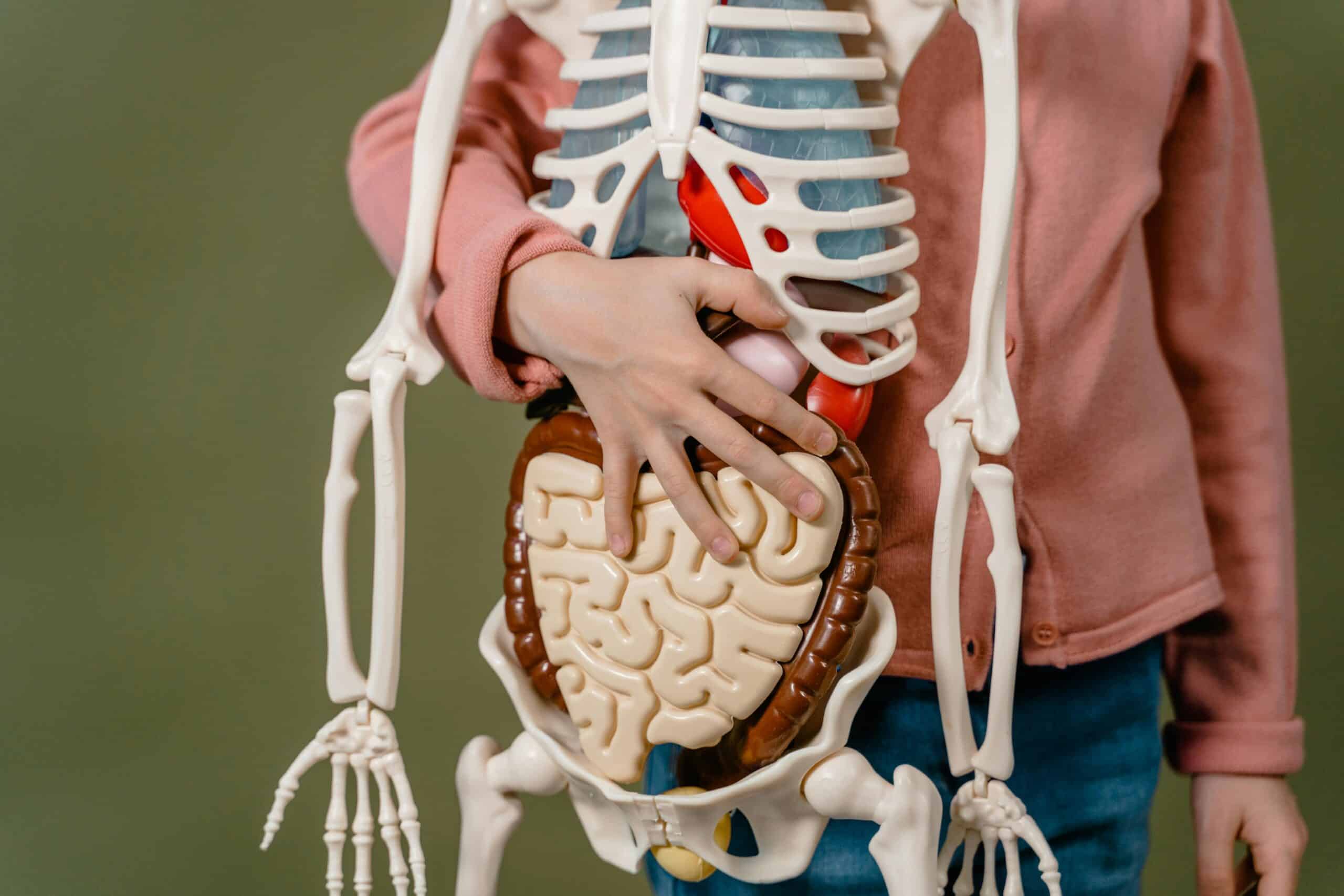
Practical support for steadier eating and digestion.
We start with what is happening in your actual life, then build strategies that are realistic enough to use outside of session.
Build predictable rhythms
Create meal and snack patterns that support digestion, energy, and a calmer relationship with food.
Explore patterns without obsession
Notice symptoms, routines, appetite, and stress without turning every bite into a test.
Make eating workable
Plan realistic meals for work, school, travel, low-energy days, and times when appetite is unreliable.
GI symptoms can make food feel unsafe.
What starts as a reasonable attempt to feel better can become a smaller and smaller world: fewer foods, more checking, more avoidance, and more worry about what might happen after eating.
Sort body needs from fear rules
We help you tell the difference between useful information from your body and avoidance that is shrinking your life.
Use small, doable experiments
Food variety can be rebuilt with flexible structure, realistic pacing, and support for anxiety as it shows up.
Respond to symptoms without spiraling
We can work on digestive support while also helping you respond to bloating, fullness, or body distress with less panic.
Care that fits your symptoms, routines, and life.
You do not need a perfect diagnosis or a perfect food log to start. We can begin with what is happening now.
Symptom and routine review
Review digestion, appetite, current eating patterns, movement, medications, stress, and daily logistics.
Low-appetite support
Build easy default meals and snacks for days when hunger cues, energy, or decision-making are limited.
Digestive strategies
Support constipation, diarrhea, bloating, reflux, nausea, or early fullness with realistic, individualized tools.
Nutrition and therapy can work together.
Digestive symptoms often overlap with anxiety, trauma, burnout, eating disorder recovery, sensory distress, and body image concerns. When helpful, our dietitians coordinate with therapists, medical providers, or GI specialists so care feels less fragmented.
That coordination can help food fear, digestive symptoms, body distrust, and nervous system stress get treated together instead of in isolation.
Steady food routines
Build nourishment patterns that are structured enough to support digestion and flexible enough to live with.
A calmer nervous system
Address anxiety, trauma responses, food fear, and body distress that can intensify digestive symptoms.
Common questions about GI nutrition support
Find answers about GI diagnoses, elimination diets, stress, bloating, telehealth, and getting started.
Do I need a GI diagnosis to start?
Will you put me on a restrictive elimination diet?
Can nutrition counseling help if stress affects my digestion?
What if I feel bloated and uncomfortable in my body?
Do you work virtually?
Food does not have to feel this frightening or complicated.
If GI symptoms are shaping your day, we can help you build steadier eating, more confidence with food, and support that considers the whole picture.