
How Nutrition Supports Mental Health: The Gut-Brain Connection Explained
Discover how targeted nutrition support, blood sugar stability, and Medical Nutrition Therapy can support emotional wellbeing.
Explore the gut-brain connection
Resources
This library is designed to help you feel less alone, better understand what you're experiencing, and find a thoughtful next step—whether you're navigating anxiety, food struggles, trauma, burnout, or integrated care needs.
Knowledge Base
Start with the area that fits your life right now—food, nervous system healing, or the connection between mental health and physical nourishment.
Support for binge eating, HAES-aligned recovery, ARFID, body neutrality, and the perfectionism that often hides underneath food struggles.
Learn how chronic stress, high-functioning burnout, and nervous system overload show up in the body—and how somatic care can help.
Evidence-based resources on the gut-brain connection, blood sugar stability, and why therapy and nutrition often work best together.
Start Here
These are the broad, foundational reads that help most people quickly understand the connection between mental health, nourishment, and nervous system regulation.
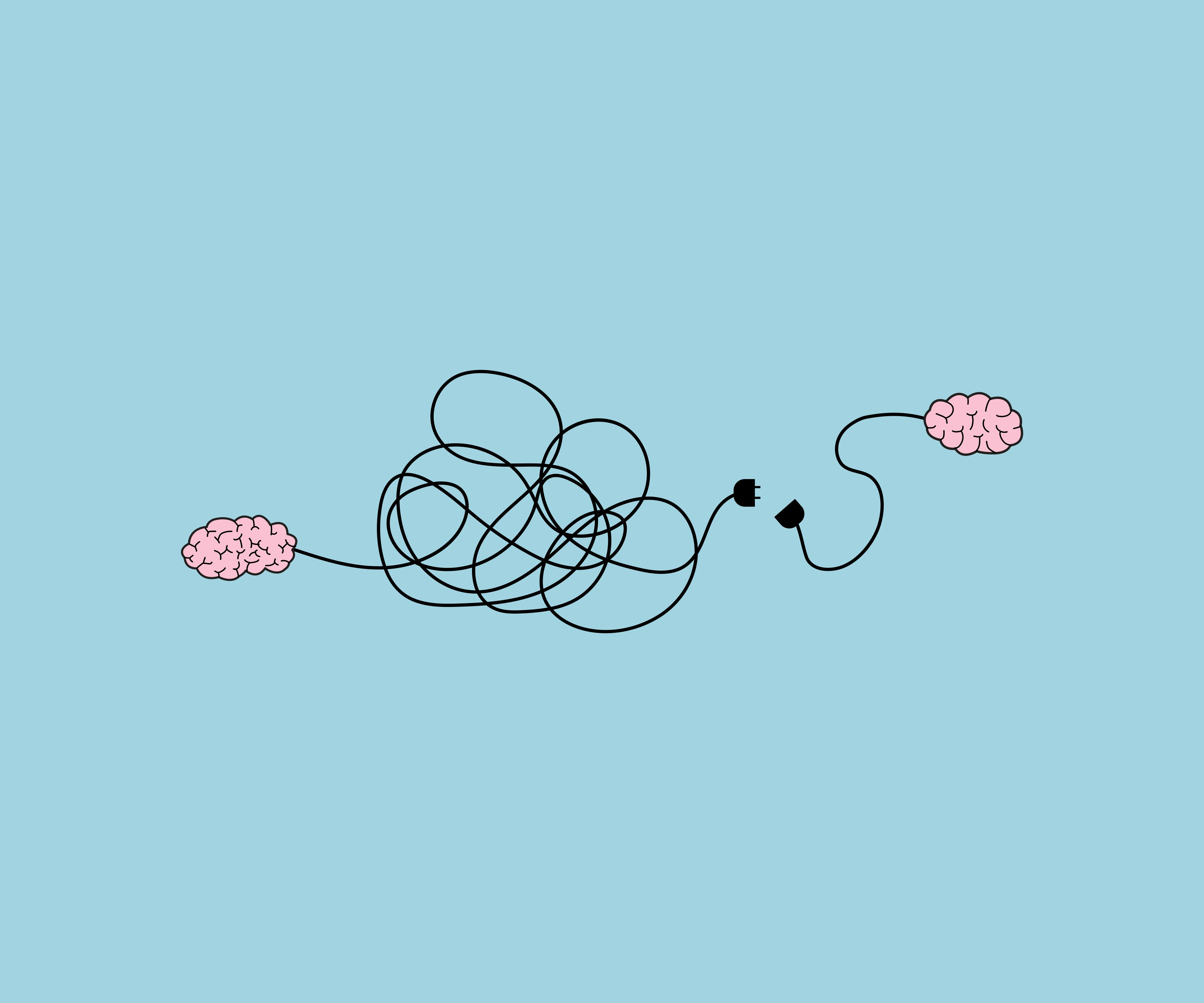
Discover how targeted nutrition support, blood sugar stability, and Medical Nutrition Therapy can support emotional wellbeing.
Explore the gut-brain connection
Learn how blood sugar, gut health, and nutrition can directly affect daily anxiety, stress, and mood regulation.
See the nutrition-anxiety link
Why success can still feel exhausting, how “silent overload” works, and what high-achievers often miss about recovery.
Understand the burnout patternDeep Dives
Targeted insights for food recovery, trauma healing, feeding support, integrated care, and virtual therapy.
Why binge eating is not simply a willpower problem and how a non-diet, HAES-aligned approach supports recovery.
Learn the non-diet path
Explore how grounding, body-based regulation, and trauma-informed therapy help when insight alone is not enough.
Read the somatic guide
Learn why you should not have to coordinate your own therapist, dietitian, and medical support on your own.
See how integrated care works
Learn how to tell the difference between typical picky eating and a feeding struggle that may need trauma-informed support.
Understand the signs
Why trying to “do recovery perfectly” often keeps high-achieving adults stuck in food rules, fear, and self-pressure.
Break the cycle of control
Check whether virtual therapy or nutrition counseling may be the right fit for your schedule, privacy needs, and location in Idaho or Massachusetts.
Check telehealth eligibilitySupport
These articles are meant to help you feel informed and understood. Real healing often happens when education is paired with support tailored to your specific body, history, and goals.
Care Paths
Our therapists and dietitians work together to support the biological, emotional, and behavioral sides of healing—so your care feels more connected and more workable in real life.
HAES-aligned support for binge eating, ARFID, perfectionism, and body trust—grounded in therapy, nutrition, and steady recovery planning.
Specialized support for chronic stress, burnout, perfectionism, trauma, and nervous system dysregulation through a relational and somatic lens.
Work with a dietitian who understands mood, metabolism, anxiety, and the gut-brain connection—especially when therapy alone has not been enough.
The Actualize Advantage: Many clients choose Integrated Care—pairing therapy with nutrition so emotional and biological support move in the same direction.